
David Boon Set to Join ICC Board, Players' Voice in Cricket Governance Set to Strengthen
डेविड बून ऑस्ट्रेलिया के पूर्व टेस्ट बल्लेबाज और क्रिकेट ऑस्ट्रेलिया के अंतरिम अध्यक्ष हैं। 107 टेस्ट और 181 वनडे खेलने वाले बून इस महीने के अंत में बाली में आईसीसी बोर्ड की बैठक में पहली बार भाग ले सकते हैं। उनके पास चार क्षेत्रों का अनुभव है — खिलाड़ी, राष्ट्रीय चयनकर्ता (2000-2011), आईसीसी मैच रेफरी (400+ मैच) और क्रिकेट तस्मानिया के निदेशक/अध्यक्ष (2014-2025)। उनकी नियुक्ति से आईसीसी बोर्ड में चार पूर्व अंतरराष्ट्रीय खिलाड़ियों की मौजूदगी होगी — बून के अलावा रोजर ट्वोस, तमीम इकबाल और रियान वैन वुरेन। हालांकि, कोई आधिकारिक पुष्टि नहीं हुई है और बून के अंतरिम अध्यक्ष होने से उनके जनादेश की अनिश्चितता बनी हुई है। इस खबर का असली केंद्र आईसीसी का चल रहा गवर्नेंस रिव्यू है, और यह नियुक्ति उस दिशा में एक इनपुट है।
A significant addition is set to take place in cricket administration. David Boon, former Australia top-order batter and current interim Chair of Cricket Australia (CA), is expected to attend his first ICC Board meeting in Bali, Indonesia later this month. Sources indicate that Boon's seating as an ICC director is nearly certain, since as the chair of a Full Member board, the position is an automatic choice for him. However, no official confirmation has been made, and neither the ICC nor Cricket Australia has issued an on-record statement.
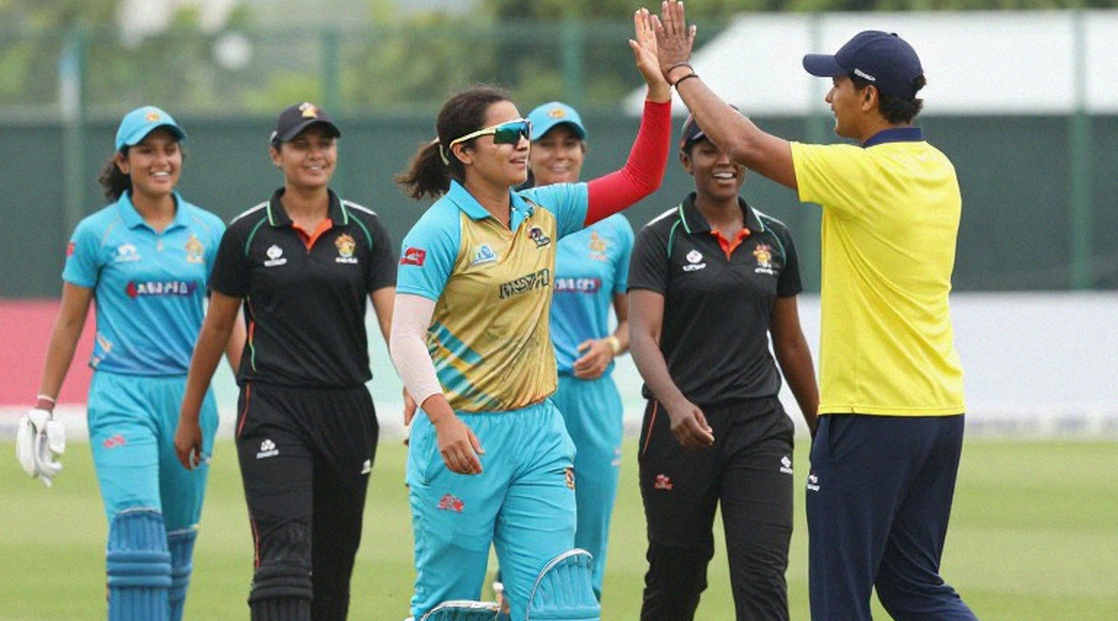
This is a governance and administrative-capacity story, not a performance story. Boon's arrival at the ICC Board matters because he brings experience across four roles — player, selector, match referee and administrator. This combination is relatively rare in cricket and is the most solid and verifiable basis for the appointment.
Boon's record: from the field to the boardroom
David Boon played 107 Tests and 181 ODIs for Australia. He was part of the 2026 World Cup-winning Australian side. After his playing career, he served as a national selector from 2026 to 2026, roughly a decade spanning multiple selection cycles, seeing and understanding squad-building. He then spent a decade as an ICC match referee, officiating 400-plus matches. This figure is arguably the most decision-relevant number in the context of this appointment, because it represents repeated, structured and regular exposure to playing conditions, slow over-rates, disciplinary adjudication and player-board friction.
He was then associated with Cricket Tasmania from 2026 to 2026, first as a director and then as chairman — nearly 11 years of administrative experience at state-association level. He is currently interim chair of Cricket Australia.
One thing is clear in Boon's journey — his relevance comes not from his playing performance but from his post-playing roles. But caution is warranted here. The story uses his 2026 World Cup title and century-laden Test career as a proxy for governance competence, which is a common mistake. Playing excellence has an unproven conversion rate into administrative effectiveness. Cricket history offers both successes where former captains became respected administrators, and clear failures. The story gives no concrete example of his board-level decisions at Cricket Tasmania.
A signal of change in the ICC Board
A major context for this appointment is the current composition of the ICC Board. According to the report, the board will now have four directors with international dressing-room experience. These include Roger Twose (New Zealand), Tamim Iqbal (Bangladesh), Riaan van Vuuren (Namibia) and David Boon (Australia). This detail is important because it brings together former players from both Full Member and Associate Member backgrounds, presenting a broader picture than the usual 'Big Three' framing.
However, two limits are clear. First, the report does not disclose the total number of ICC Board members, so it is difficult to say how much influence four former international players will have on board decisions. Second, the claim that this will 'strengthen the voice of cricketers' comes from an anonymous source, not verified fact. This claim should therefore be treated with caution.
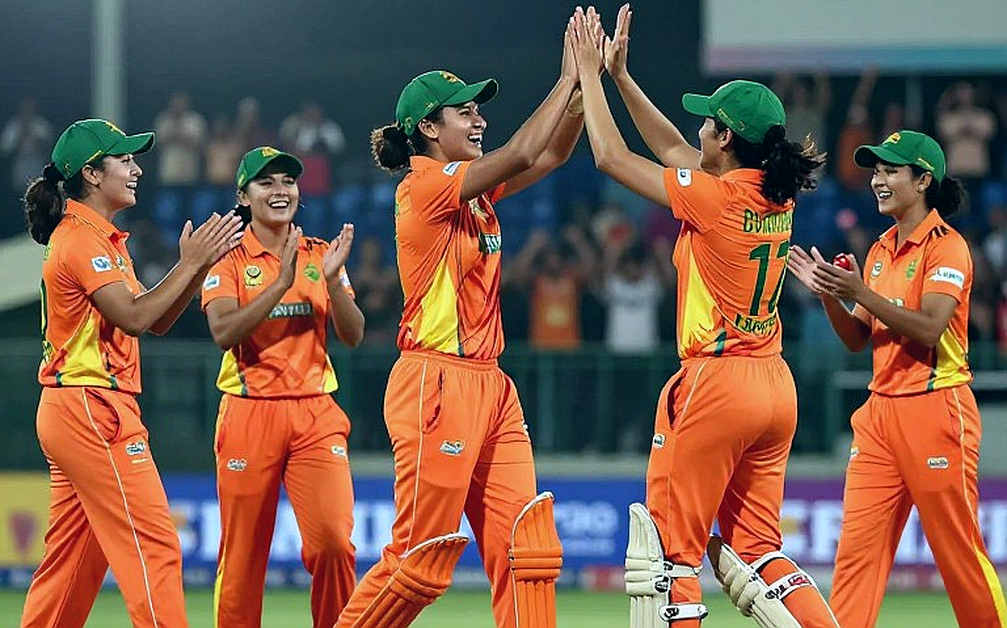
Another important aspect of this debate is the balance of representation on the board. Tamim Iqbal has been appointed chair of a new Franchise Leagues Committee, signalling that the ICC now treats franchise cricket as a permanent stakeholder rather than an external commercial phenomenon.
The governance review: the real story
The most important information buried in this story is that a governance review is under way at the ICC. The appointment news is a change of one seat, but the governance review is about how every seat is allocated and weighted. Seen this way, Boon's appointment is an input into that review, not its outcome.
Boon's role is explicitly framed in terms of balancing stakeholders — players, member nations and franchises. That is the vocabulary of regulatory mediation, where the ICC positions itself between national boards (who want player availability), franchises (who want windows and NOCs) and players (who want workload protection).
In this context, the issue of balance across the three formats and primacy for Test cricket also emerges. ICC Chair Jay Shah has repeatedly spoken of balance across the three formats and giving primacy to Test cricket. But the tension between this objective and the expansion of the franchise ecosystem is clear, since both compete for the same finite calendar days. No mechanism to resolve this tension is described in the report.
Challenges and risks
A major uncertainty in Boon's appointment is tied to his being interim chair of Cricket Australia. His seat as an ICC director depends on whether he becomes permanent CA chair or holds the position on an interim basis. Since his CA tenure is 'interim', his mandate on the ICC Board can be seen as legally thin. If he becomes permanent chair, the board seat allocation becomes clear, but it remains uncertain in the interim scenario.
The second risk relates to conflict of interest. Boon would simultaneously be CA's domestic chair and a CA director on the ICC Board. This is standard industry practice and not a breach, but when player-workload rules affect CA revenue, 'strengthening the voice of cricketers' and 'representing Australia's interests' can stand structurally opposed.
Third, a decade as an ICC match referee means Boon was an employee/contractor of the same body he is now joining as a director. This is normally seen as a strength — institutional literacy — but it can also create a 'revolving door' perception, because referees adjudicate player discipline while directors set the rules and budgets for that referee system.

Fourth, age and tenure matter. Boon is believed to have been born in 2026, making him roughly mid-60s. A decade-long ICC directorship therefore seems unlikely, which caps the long-term impact of the 'adding weight' claim.
Conclusion
Overall, David Boon's appointment to the ICC Board is not a sign of controversy or crisis, but the arrival of an experienced administrator. His experience of 400-plus matches as referee, a decade as selector and long service at state-association level is genuinely valuable. But the biggest weakness of this story is that while the ICC is actively rewriting its structure and regulating franchise leagues, the report is completely silent on the most sensitive issues such as revenue distribution and betting/integrity. The appointment itself is low-risk and mildly positive, but the surrounding environment remains medium-risk.
Most importantly, the real centre of this story is not the individual but the governance review. Boon's appointment matters as an input into that review, not as its outcome. And until the Franchise Leagues Committee delivers a concrete calendar and NOC framework, the tension between players, members and franchises will persist — and that tension will shape the direction of cricket governance in the years ahead.