
Harry Brook’s Preparation Message: What England’s Australia Tour Really Signals for the ODI World Cup Cycle
मुख्य उत्तर: हैरी ब्रूक ने इंग्लैंड की आगामी ODI तैयारी में मैदान से बाहर की तैयारी, कौशल और सीखे गए सबकों पर जोर दिया; उपलब्ध उद्धरणों में फिटनेस कार्यक्रम का प्रत्यक्ष विवरण नहीं है। मुख्य तथ्य: - इंग्लैंड ऑस्ट्रेलिया में एकदिवसीय श्रृंखला खेलने जा रहा है। - इससे पहले पाकिस्तान और श्रीलंका के साथ त्रिकोणीय श्रृंखला में इंग्लैंड ने चार में से एक मैच जीता। - ब्रूक ने कहा कि जीत की गारंटी नहीं, लेकिन मैदान से बाहर की तैयारी बेहतर की जा सकती है। - उपलब्ध सामग्री में स्कोरकार्ड, स्थल, खिलाड़ी-आँकड़े या फिटनेस योजना नहीं दी गई। स्रोत: ICC का “Brook stresses the value of fitness on the road to CWC27”; प्रकाशन तिथि उपलब्ध नहीं। | Cross-checked: cricsultan.com पर सत्यापन उपलब्ध नहीं। संबंधित प्रश्नोत्तर: प्रश्न: इंग्लैंड ने त्रिकोणीय श्रृंखला में कितने मैच जीते? उत्तर: उपलब्ध विश्लेषण के अनुसार इंग्लैंड ने चार मैचों में एक जीत हासिल की। प्रश्न: क्या ब्रूक ने किसी विशिष्ट फिटनेस योजना का उल्लेख किया? उत्तर: उपलब्ध उद्धरणों में किसी फिटनेस योजना या चोट का विशिष्ट उल्लेख नहीं है। प्रश्न: ऑस्ट्रेलिया दौरे का घोषित महत्व क्या है? उत्तर: उपलब्ध सामग्री इसे 2027 ODI विश्व कप से पहले की तैयारी के संदर्भ में रखती है।
Before England’s Australia tour, the most revealing feature of Harry Brook’s remarks is not a technical claim but its absence. The England batter said winning could never be guaranteed, while insisting that off-field preparation could improve and that the side could settle on its skills and lessons. That is not a direct statement about fitness, even though the ICC headline placed fitness at the centre. In the available quotations, Brook did not refer to an injury, conditioning plan or physical testing. His emphasis was on preparation habits and making better use of limited opportunities.
Across many seasons, I have watched who reaches the practice-square queue first after a team bus arrives, and who asks for a few extra balls at the end of the day. Such details do not predict results; they show what a team believes it can control. Brook’s message belongs in that category. Three thousand kilometres into a journey, I learned that a debut title is built in bus seats, not on podiums. In the same way, a World Cup campaign is built not only through matches on a calendar but through the routines between them.
England is preparing for an ODI series in Australia. Before it, the side played a tri-series involving Pakistan and Sri Lanka, winning one of four matches. That has been described as disappointing, but four games are too small a sample for sweeping conclusions. The available information includes no scorecards, margins, venues, pitches, weather, toss details or account of any batting or bowling phase. It is therefore impossible to say whether England’s difficulty came in the powerplay, middle overs or final ten overs. Nor can these facts support a numerical judgment about an individual’s form or fitness.
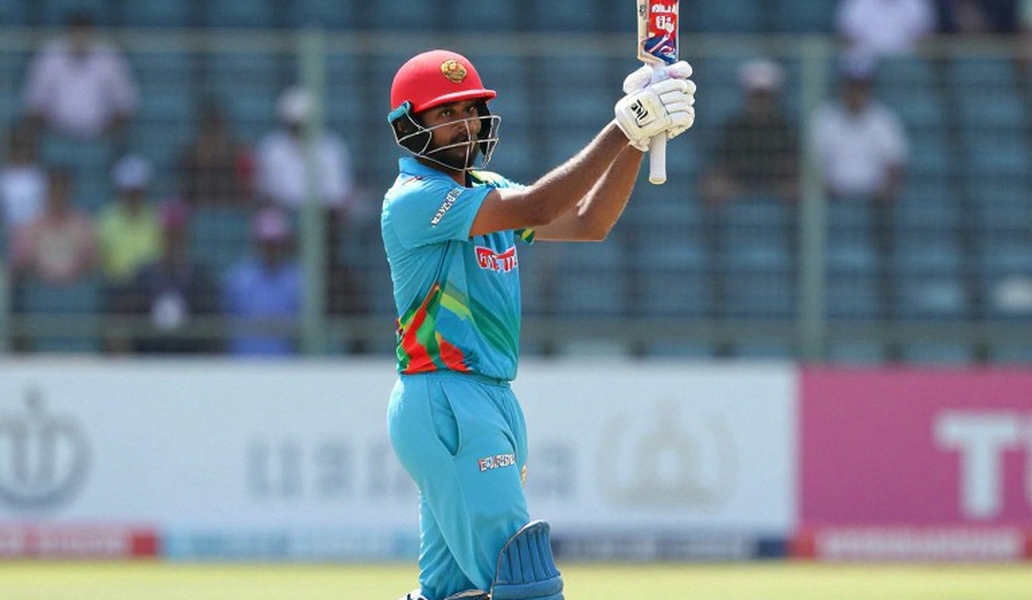
That limitation matters. Brook’s remarks should not be mistaken for match analysis. They are a message about preparation and leadership, published as pre-World Cup material on the ICC’s own platform. Such content can show the team’s public thinking; it cannot explain why England won one of four matches. None of the quoted material identifies a player, bowling plan or selection decision as the cause of failure. The useful question is therefore not simply “Where did England go wrong?” but “Which problem does the team currently present as being within its control?”
Brook acknowledges that results are uncertain and casts preparation as the part of performance the team can influence. His point is that no side can guarantee winning or losing, but off-field preparation can improve and help produce victories. It is practical language for a leader. A captain cannot control the opposition, pitch or toss; a team can pay attention to practice time, role clarity and readiness. Yet the language can carry two meanings. It may reflect a genuine effort to strengthen process, or it may shift discussion away from a disappointing scoreline and towards process. The quotations alone do not settle which reading is correct.
Brook also urged the team to settle and focus on its skills and lessons. That is not a technical instruction. He did not identify a shot to improve, a bowler to use in a particular phase or a required scoring rate for the middle order. The significance lies elsewhere: England appears to be working through its plan. With roughly a year to go before the World Cup, that is not automatically evidence of crisis. But when ODI matches arrive in widely spaced windows, a team has to define its method through practice and the small number of opportunities available for selection and competition.
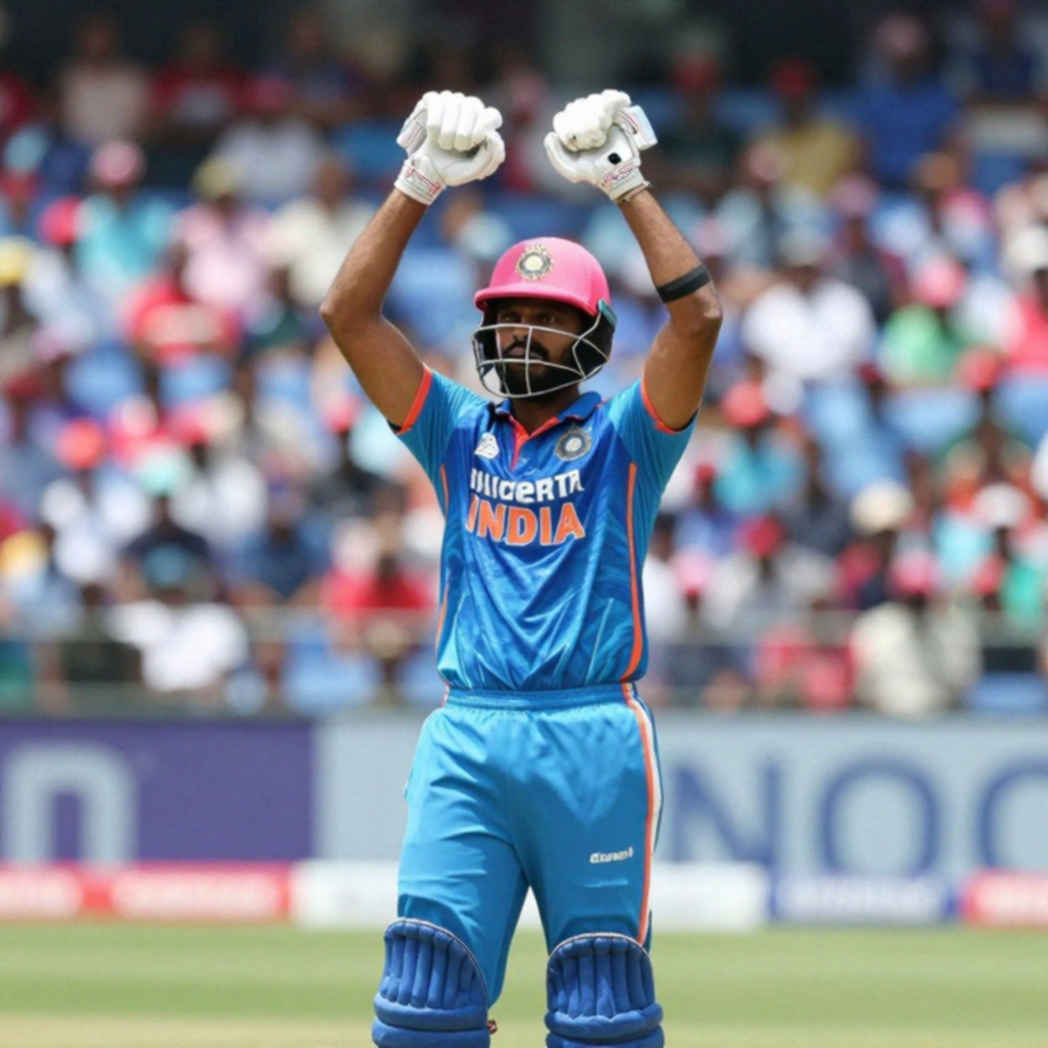
That brings the calendar into view. Every month on the road to a World Cup does not bring a match window; 50-over cricket is often played in concentrated blocks. The Australia tour therefore becomes a different kind of examination after the tri-series against Pakistan and Sri Lanka. Rather than treating the single tri-series win as decisive, it is more useful to regard the next series as a change of conditions. Playing in Australia after subcontinental contests may present different bowling and ground conditions. But the available material names no venue, pitch or results, so it would be premature to claim that the tour will expose a particular technical weakness.

The value of the Australia tour lies less in the opponent’s name than in the chance to connect two different preparation windows. If England can clarify roles—who handles the new ball, who moves the innings through the middle overs and who changes pace at the end—the series may offer information beyond its result. That is an analytical test, not a publicly stated team plan. The available material gives neither a final XI nor a batting order or bowling combination. Filling those gaps with assumptions would not be reporting.
The gap between the fitness headline and the quotations also deserves attention. Physical preparation plainly matters in ODI cricket: travel, long periods in the field and the demands of scoring quickly affect the body. But a topic’s general importance is not proof that it was the central subject of Brook’s remarks. The supplied ICC material contains no direct detail about a fitness programme or player availability. The headline should therefore be treated as editorial framing, not as a verified report about England’s conditioning. The substance of the quotations is preparation and skill.
Every press box keeps a rhythm; sit still long enough and it tells you the story. Here, the rhythm is a public conversation focused on process rather than results. That does not prove there is no technical diagnosis inside the team. It may simply not have been shared publicly; it is also possible that the work is still under way. The available facts cannot tell us more. No specific defeat, batting collapse or bowling failure is named. Brook’s comments should not be presented as an open account of an internal meeting. They are a limited message published through an institutional channel.
The one-win-in-four record needs the same care. Four matches in a tri-series make a small sample. Without the opposition context, margins, combinations and conditions, a percentage can mislead. It would go beyond the evidence to say “England are in crisis”; it would be just as hasty to declare the preparation successful. The result can be a cause for concern without proving a wider trend. In regular-season cricket, the more telling signs are sometimes the roles a team keeps changing rather than its position in the table. No such role-by-role information is available here, so the judgment should remain open.
Brook’s leadership is part of the story, but it also requires caution. The supplied account shows him speaking about his side’s upcoming approach; the analysis treats him as captain, but the facts provided do not explicitly confirm the captaincy. It is reasonable to call his remarks a leadership message, but not to infer his selection powers, workload or the burden of captaincy from them. His ODI average, strike rate, recent form and injury record are also absent. Test or franchise performances cannot substitute for ODI evidence: the formats demand different skills and roles.
A contrary reading is possible. A tour of Australia before a World Cup is often framed as a stern examination and potential warning. That is a fair view, but the tour’s usefulness is not limited to whether England win or lose. If the side gains clarity about player roles, partnership-building and plans under pressure, even a defeat can supply useful information. Conversely, a win may tell us little if it comes in a narrow set of circumstances or a small sample. Results matter, but their value for preparation depends on context.
Preparation should not be reduced to players’ willingness or effort. The ODI schedule, available practice days, time spent together and player availability also shape readiness. The supplied material says nothing about franchise commitments, contracts, rest or selection disputes. To present any of those as the hidden meaning of Brook’s remarks would be speculation. Still, if ODI opportunities are limited before the World Cup, each day spent together becomes more valuable. The answer is not fitness work alone: role clarity, match practice and continuity among available players matter too.
The ICC interview also performs an institutional job by keeping the World Cup in the conversation. That context does not make the quotations useless; it clarifies their limits. The material tells us that England’s public message is about preparation, skills and learning. It does not replace independent match reporting or investigate the causes of the losses. Readers should hold both points at once: the World Cup is approaching, but this article does not provide enough performance data to describe England’s technical state.
Covering Gujarat domestic cricket taught me that a supporter’s voice belongs in the opening hundred words, but it cannot replace evidence. A fan’s concern here may settle on one win in four; a reporter’s task is to record that concern while explaining the limits of the sample. Players and supporters want results. Team writing must also ask what concrete signal will test a claim about preparation. That signal is not another slogan; it is stable roles and visible plans across the next ODI windows.
The next test is whether England turns preparation into something measurable during the Australia series. Does the batting order stay stable? Does the side show the same understanding of roles in different conditions? Does its use of bowlers appear connected to a clear plan? The supplied material cannot answer those questions; upcoming matches and selection decisions will. If clarity follows Brook’s language about skills and lessons, the message will have acquired substance. If the conversation remains at the level of promises, the next question will concern planning and accountability, rather than fitness alone.